EXF OPTICALNetwork components Project brief
Optical reference library

Fiber Optic Cable Fault Maintenance

Fiber Optic Cable Fault Maintenance
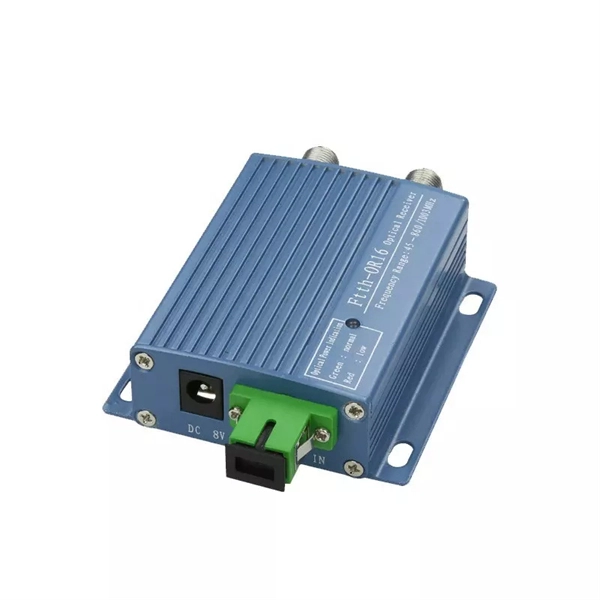
Illustrative equipment reference
Download PDF
Article contents

Common fiber optic cable faults include physical damage, connector contamination, bending losses, and equipment-related issues, all of which can be diagnosed and resolved using systematic troubleshooting and specialized tools. Common Fault Types1. Physical Damage: Fiber cables can be damaged by construction activities, rodent bites, or accidental cuts.

Such damage often results in complete signal loss or intermittent connectivity. Visible inspection of cables, connectors, and ports is the first step, followed by using an Optical Time-Domain Reflectometer (OTDR) to pinpoint breaks for repair or replacement. 2.

Connector and End-

Face Contamination: Dust, oil, fingerprints, or lint on connector ferrules can cause high insertion loss and signal degradation. Cleaning with fiber-specific tools like one-push pen cleaners, lint-free wipes, or cassette cleaners is essential. Regular inspection and cleaning prevent repeated service calls.

3. Excessive Bending or Improper Routing: Bending a fiber beyond its rated bend radius causes light leakage and increased attenuation. Tight loops, kinks, or improper cable routing can lead to wavelength-dependent loss.

Gradual bending tests and careful cable management help identify and prevent these issues. 4. Equipment and Module Failures: Faults may originate from optical network terminals, transceivers, switches, or routers.

Power instability, overheating, or loose connections can cause intermittent or complete network outages. Power cycling, module replacement, and verifying proper installation are standard corrective actions. 5.

Transmission Performance Issues: Aging fibers, poor splicing, or low-quality components can increase attenuation. Optical Loss Test Sets (OLTS) and optical power meters are used to measure insertion loss and verify link quality. Replacing substandard components and ensuring proper splicing improves long-term reliability.

6. Environmental Factors: Moisture, temperature fluctuations, and electromagnetic interference (though fiber is largely immune to EMI) can affect performance. Protective jackets, armored cables, and proper installation practices mitigate environmental risks.

Troubleshooting and Maintenance Best Practices

Systematic Approach: Begin with visual inspection, cleaning, and checking power before using advanced instruments. Gather network topology and error logs to define the fault scope. Use of Tools: OTDR for fault localization, OLTS for insertion loss measurement, fiber microscopes for end-face inspection, and calibrated optical power meters for accurate diagnostics.

Preventive Measures: Regular inspection, cleaning, adherence to bend radius guidelines, and using armored or industrial-grade cables in high-risk areas reduce the likelihood of faults. Documentation: Record maintenance activities, calibration dates, and test results to track cable health and anticipate potential failures. By following these practices, technicians can efficiently identify, diagnose, and resolve fiber optic cable faults, ensuring stable network performance and minimizing downtime.

Fiber Optic Troubleshooting: Expert Guide for Common IssuesTroubleshoot fiber optic issues like a pro with our expert guide. Resolve common problems and en.

From reference to enquiry

Questions for your project

Use these editorial prompts alongside the linked excerpts. They identify items to confirm for your project.

Detailed reading

Distribution and installation references

Fiber Optic Troubleshooting: Expert Guide for Common Issues

Troubleshoot fiber optic issues like a pro with our expert guide. Resolve common problems and ensure seamless connectivity.

Fiber Optic cable Series-

1. Overview2.3 Fault Handling Tools and Instruments3.2 Confirm the Scope and Type of the Fault3.3 Fault Localization3.4 Fault Exclusion3.5 Confirm If the Fault Has Been RectifiedThis document presents a troubleshooting guide for fiber optic cables once deployed and in regular use. It also includes a list of common fault location items. Maintenance personnel can refer to this document for step-by-step troubleshooting when dealing with faults arising from the following sources.See more on resource.fs wolontek

Common Fiber Optic Cable Problems And How To Troubleshoot Them

A well-built fiber link rarely fails, but when it does the symptoms can be short, confusing, and expensive to chase. This guide lists the actual, field-proven problems technicians encounter most often and

Fibre Optic Cable Troubleshooting Guide: Common Issues and Solutions

By understanding the symptoms, causes, and solutions for common fibre optic cable issues, network administrators and technicians can effectively diagnose and troubleshoot problems

Fiber Network Troubleshooting – Common Issues & Fixes

Fiber optic networks are celebrated for their speed and reliability, but even the best systems can encounter problems. When issues like signal loss, slow speeds, or intermittent

The FOA Reference For Fiber Optics

Some people have suggested that fiber optic networks need periodic maintenance, including microscopic inspection of connectors and mating adapters and even insertion loss testing or taking

VisiFault™ Visual Fault Locator

Product Highlights Visual fault locator cable continuity tester locates fibers, finds faults, verifies continuity and polarity.

ITU-T Rec. L.25 (01/2015) Optical fibre cable network maintenance

The objective of this Recommendation is to identify the general functions of optical fibre cable network maintenance, and to provide information on relevant Recommendations in the field of maintenance

How to Repair Fiber Optic Cable: A Comprehensive Guide

This blog shares the common causes of fiber optic issues and provides detailed solutions on how to repair fiber optic cable.

How to Identify & Prevent Optical Fiber Cable Damage

Learn how to detect and repair damaged fiber optic cables. Visual checks, OTDR testing, IEC compliance, and waterproof maintenance tips for

Cable Identification System Best Practices for Fiber

Cable identification best practices for fiber optic networks: use TIA-606-B standards, durable labels, and thorough documentation for reliable

Fiber Optic Cable Testing 101: Tools, Techniques, and Industry

Fiber Optic Cable Testing Ensures network reliability by using tools like visible light sources, power meters, and OTDRs to measure signal loss, identify faults, and maintain system

Fiber-optic cable

A fiber-optic cable, also known as an optical-fiber cable, is an assembly similar to an electrical cable but containing one or more optical fibers that are used to carry light. The optical fiber elements are

Fiber Optic Tool Kits | Termination, Splicing & FTTH

Professional Fiber Optic Tool Kits for field termination and splicing. Rugged hard-shell cases containing precision fiber strippers, cleavers, and testing tools for

Visual Fault Locators

Discover how Visual Fault Locators (VFLs) simplify fiber optic troubleshooting. Learn key features, use cases, and tips for accuracy and safety in our expert guide.

Fiber optic cable outer sheath material

Generally, fiber optic cables made of Plenum are suitable for use in large/ultra-large data centers, fault-tolerant/parallel maintenance data centers; fiber optic cables made of riser/PVC are

Fiber Optic Solutions by T&M DataCom Services L.L.C.

Our team handles complete fiber optic deployments, including backbone design, pathway planning, cable installation, termination, and testing.

Fiber Optic Cable Repair Cost Guide 2026

Overview Of Costs Detailed cost ranges reflect typical field repair scenarios for fiber optic cables, including outside plant and inside plant work. The total project span usually falls between

Multimode vs Single Mode Fiber Optic Cables: A Complete Guide to

Learn the differences between multimode (OM1-OM5) and single mode (OS1-OS2) fiber optic cables—speed, distance, applications, and how to choose the right one for data centers and

Related Video Reference

This video was associated with the source search result. Verify technical details against current product documentation and project requirements.

6 questions about “Fiber Optic Cable Fault Maintenance”

How can one identify a broken fiber optic cable?

To identify a broken fiber optic cable, start by performing a visual inspection for any physical signs of damage, such as bends, cracks, or breaks...

What methods are used to test fiber optic cables without a tester?

There are several methods to test fiber optic cables without a tester. One method is using a visual fault locator (VFL), as mentioned earlier, to v...

What are the causes of intermittent fiber optic connections?

Intermittent fiber optic connections can be caused by a variety of factors, including: Poorly terminated connectors or splices that result in unsta...

How does end face contamination impact fiber optic performance?

End face contamination negatively impacts fiber optic performance by increasing signal loss, reflection, and scattering. Contaminants such as dirt,...

What factors contribute to fiber optic degradation?

Fiber optic degradation can be caused by several factors, such as: Physical stress on the cable, including bending, twisting, or crushing, which ma...

How can I resolve issues when my fiber internet is not functioning?

When your fiber internet is not functioning, follow these steps to resolve the issue: Verify that all connections are secure and properly seated, i...

Discuss your network project

Share the route, interfaces, cable or port requirements and acceptance scope.

Start a Project Enquiry