EXF OPTICALNetwork components Project brief
Optical reference library

Fiber Optic Splicing to Pigtail Fusion Method

Fiber Optic Splicing to Pigtail Fusion Method
Illustrative equipment reference
Download PDF
Article contents

Fusion splicing of fiber optic pigtails creates a low-loss, permanent connection by precisely aligning and welding two fiber ends using an electric arc.

Understanding Fiber Optic Pigtails

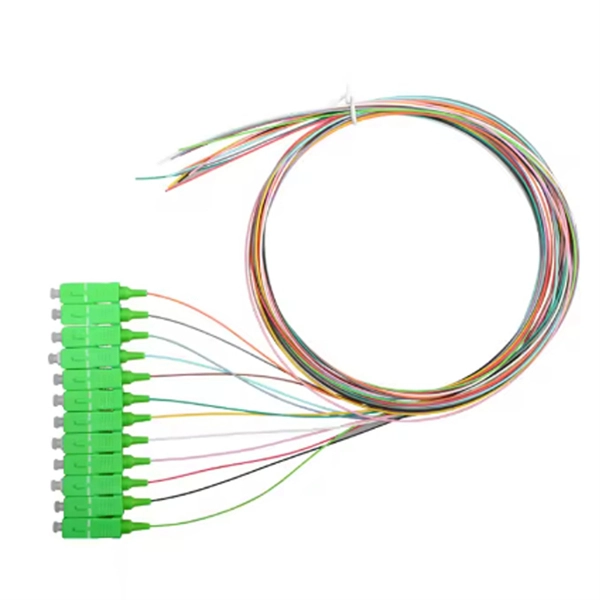
A fiber optic pigtail is a short fiber cable with a factory-terminated connector on one end and a bare fiber on the other. The bare end is designed for fusion splicing to incoming fiber cables, while the connector end plugs into equipment, ODF ports, or splice trays. Pigtails are preferred over patch cords for field terminations because they allow a low-loss, permanent joint with bulk fiber runs, ensuring network reliability and performance.

Fusion Splicing Overview

Fusion splicing is the process of joining two optical fibers by melting their ends together using an electric arc, producing the lowest optical loss and back reflection compared to mechanical splicing. It is widely used for single-mode fibers and can also be applied to multimode fibers, though alignment is more challenging due to the larger core and graded-index profile.

Key Tools Required

Fusion Splicer: Aligns and fuses fibers using a controlled electric arc. Modern splicers automate alignment and arc parameters for consistent results. Fiber Strippers: Remove the protective coating without nicking the glass core.

Typical diameters are 250µm for bare fibers and 900µm for coated fibers.

High-

Precision Cleaver: Produces a flat, perpendicular fiber end for optimal fusion. Scissors or standard snips are unsuitable. Cleaning Supplies: Lint-free wipes and 99%+ isopropyl alcohol to remove dust, oils, or residues from fiber ends.

Heat-

Shrink Splice Protection Sleeves: Protect the fragile splice after fusion, providing mechanical strength and environmental protection.

Step-by-

Step Fusion Splicing Process

Safety and Workspace Setup: Wear high-rated safety goggles and cut-resistant shoes. Dispose of fiber shards in dedicated containers and minimize static electricity using anti-static mats or wrist straps. Fiber Stripping: Strip the fiber coating carefully, applying uniform pressure to avoid microfractures.

Strip lengths typically range from 10–20 mm depending on the splicer and fiber type. Cleaning: Clean the stripped fiber ends thoroughly with alcohol wipes, moving from the coating edge to the cleave tip in a single stroke. Inspect under a microscope or splicer camera for dust or scratches.

Cleaving: Use a precision cleaver to create a flat, perpendicular end face. The quality of the cleave directly affects splice loss and reliability. Fusion Splicing: Place the fibers in the splicer, which aligns them automatically.

The splicer then generates an electric arc to fuse the fibers into a continuous optical path. Splice Protection: Slide a heat-shrink sleeve over the splice and cure it in the splicer's oven to provide mechanical strength and environmental protection. Best PracticesRe-clean fiber ends periodically during extended splicing sessions to maintain low-loss performance.

Handle fibers gently to avoid bending or microfractures. Follow manufacturer instructions for splicer settings and cleaver use, as different models may have specific requirements. Use pigtails with the correct connector and polish type to match network equipment and minimize back reflection.

Conclusion

Fusion splicing fiber optic pigtails is a precise, multi-step process that ensures high-performance, low-loss connections. Success depends on careful preparation, proper tool selection, meticulous cleaning, accurate cleaving, and protective post-splice handling. Mastery of these techniques is essential for reliable single-mode and multimode fiber networks, particularly in data centers, FTTH deployments, and structured cabling systems.

Fiber Optic Pigtail: The Complete Guide to Types, Confused about fiber optic pigtails—which connector type, which polish, fusion or mechanical splice? Our.

From reference to enquiry

Questions for your project

Use these editorial prompts alongside the linked excerpts. They identify items to confirm for your project.

Detailed reading

Distribution and installation references

Fiber Optic Pigtail: The Complete Guide to Types,

Confused about fiber optic pigtails—which connector type, which polish, fusion or mechanical splice? Our guide covers LC vs SC, APC vs UPC,

How to Splice Fiber Optic Pigtails: A Step-by-Step Guide

Master the art of fiber termination. Learn how to splice fiber optic pigtails using fusion splicing, follow the color code, and ensure low insertion loss.

Fiber Optic Pigtail: Types, Splicing Guide, Specs & Price

Fiber optic pigtail guide : SC/APC & LC/UPC connectors, 0.9/2.0/3.0 mm buffers, single-mode and multimode types, fusion splicing steps, price ranges, specifications, and how to

Fiber Optic Fusion Splicing

Corning''s Pigtailed Splice Cassettes are pre-routed and preloaded enabling faster field splicing. Learn more about the Corning fiber optic fusion splicer.

How Do You Splice Fiber with a Fusion Splicer?

Fusion splicing involves precisely melting the ends of two optical fibers together, creating a seamless connection that minimizes signal loss. This method offers the lowest attenuation and reflectance,

How to Splice Fiber Optic Cable – Step-by-Step Fusion

Learn how to splice fiber optic cable using fusion splicing with this complete step-by-step guide. Includes tools, best practices, loss standards (ITU

The FOA Reference For Fiber Optics

Fusion splicing may be done one fiber at a time or a complete fiber ribbon from ribbon cable at one time. First we''ll look at single fiber splicing and then ribbon

What Is Fusion Splicing in Fiber Optics? (Beginner''s Guide)

Fusion splicing is the backbone of modern fiber optic installations—and it''s the primary method used when working with fiber optic pigtails. What Is Fusion Splicing? Fusion splicing is the

Fusion Splicing in Fiber Optics

Fusion splicing stands out as a superior technique for joining optical fibers, offering a seamless, low-loss connection that is crucial for reliable fiber optic networks.

A complete guide to fiber optic fusion splicing from start to finish

How fiber optic splicers work, types, what they are used for. Steps to use this equipment and including how to test your fiber splice.

Fiber Optic Cable

Fusion Splice-on Connectors Combine the benefits of fusion splicing with the versatility of a field-installable connector Fiber Patch Cords Uncomplicated,

BYXGD Rack Mount Fiber Optic Terminal Box 4/8/12/24 Port SC

BYXGD Rack Mount Fiber Optic Terminal Box 4/8/12/24 Port SC/FC/LC/ST | Cold Rolled Steel Thickened Telecommunications Grade Fiber Optic Terminal Box – Full Loaded

KKmoon Fiber Optic Fusion Splicer 3.5 Inch TFT LCD Display

3.5 Inch TFT LCD Display: This fiber optical welding splicing machine adopts 3.5 inch TFT color LCD display screen, which is clear and shows the fusion situation and easy to operate. Easy To Carry:

Fiber Optic Fusion Splicing

Fiber optic fusion splicing is on the rise and Corning''s Pigtailed Splice Cassettes enable faster field splicing and easy modular management of connectorization within the housing. Pre-routed and

Fibre & Data Cabling Supplies, Equipment & Accessories | Netceed

Fujikura 45S Fusion Splicer The world''s most innovative fusion splicing equipment, from the manufacturer that''s been doing it from the start. Shop Now

How Do You Splice Fiber with a Fusion Splicer?

In this video and step by step tutorial, we take you through the basic steps on how to fusion splice pigtails using a fusion splicer.

Mechanical vs. Fusion Splicing: Which Is Right for You?

A fiber optic pigtail is a segment of optical fiber with one end terminated with a factory-installed connector and the other end unterminated. As

The FOA Reference For Fiber Optics

Fusion Splicing Fusion splicing is the process of fusing or welding two fibers together usually by an electric arc. Fusion splicing is the most widely used

Related Video Reference

This video was associated with the source search result. Verify technical details against current product documentation and project requirements.

Discuss your network project

Share the route, interfaces, cable or port requirements and acceptance scope.

Start a Project Enquiry